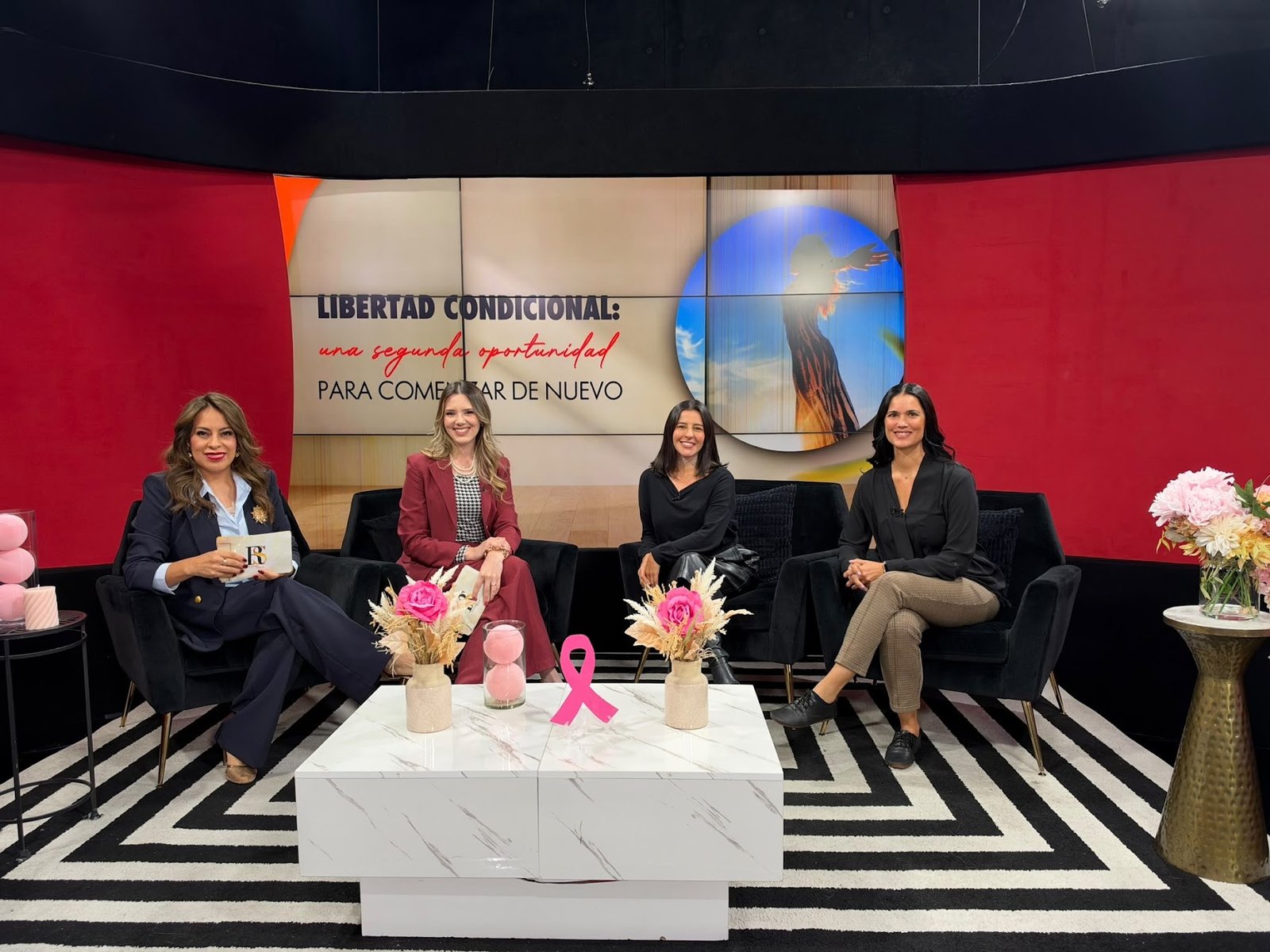
TV APPEARANCE
Rompiendo el Silencio
Not Every Prison Has Walls
What if we're the ones holding ourselves back?
Episode: ¡Todos merecemos una segunda oportunidad!
Read the Story: Not Every Prison Has Walls · October 28, 2026THE WORK IN REAL LIFE
Speaking engagements, media appearances and conversations from Juliana Klinkert’s work as a certified coach and speaker.
Choose a conversation to explore.
TV APPEARANCE
Rompiendo el Silencio
What if we're the ones holding ourselves back?
Episode: ¡Todos merecemos una segunda oportunidad!
Read the Story: Not Every Prison Has Walls · October 28, 2026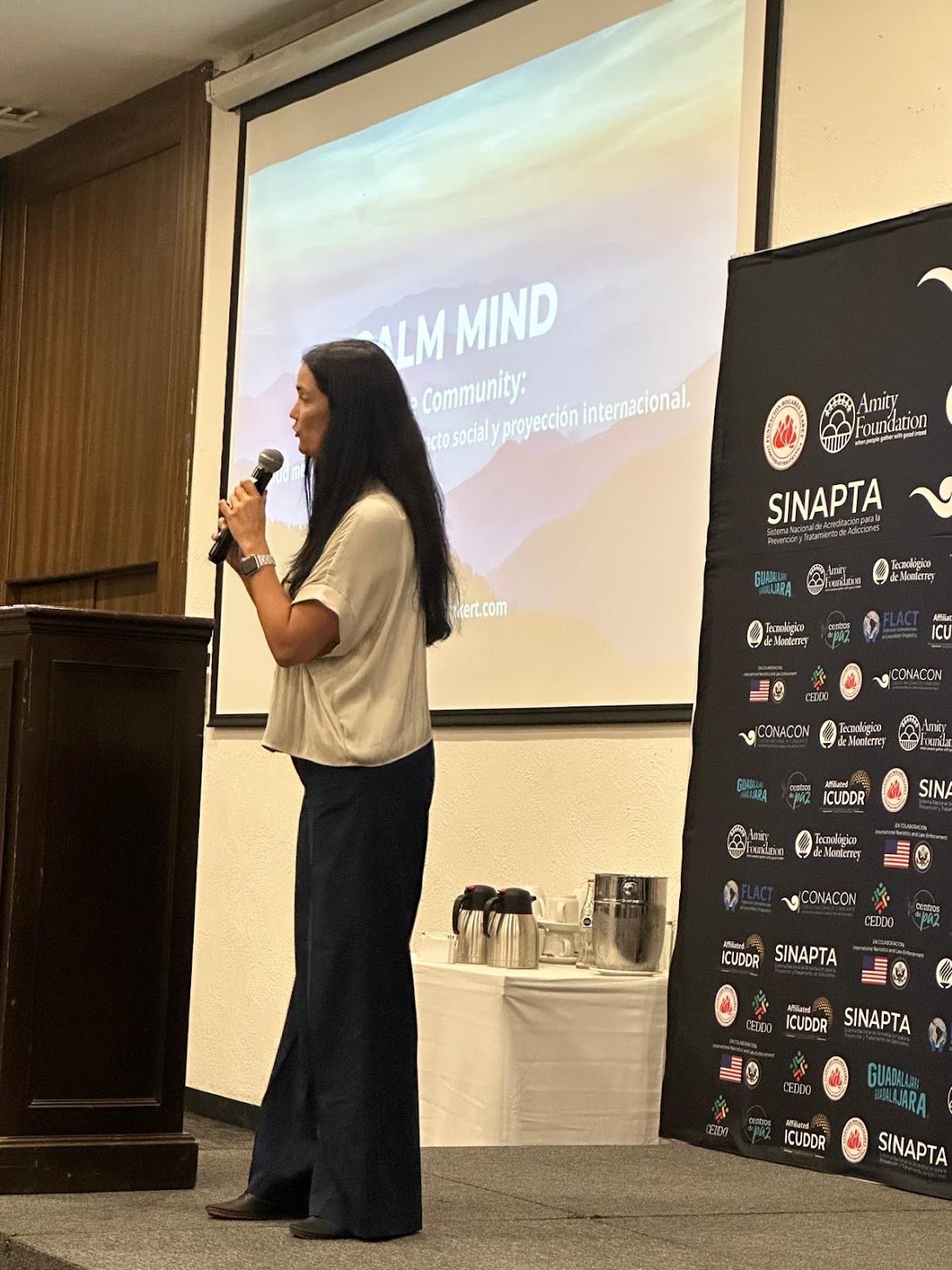
KEYNOTE SPEAKER
CISMAC | Guadalajara, Mexico
What happens when we become so focused on a problem that we stop seeing what else is possible?
Read the Story: Beyond What We See · October 24, 2026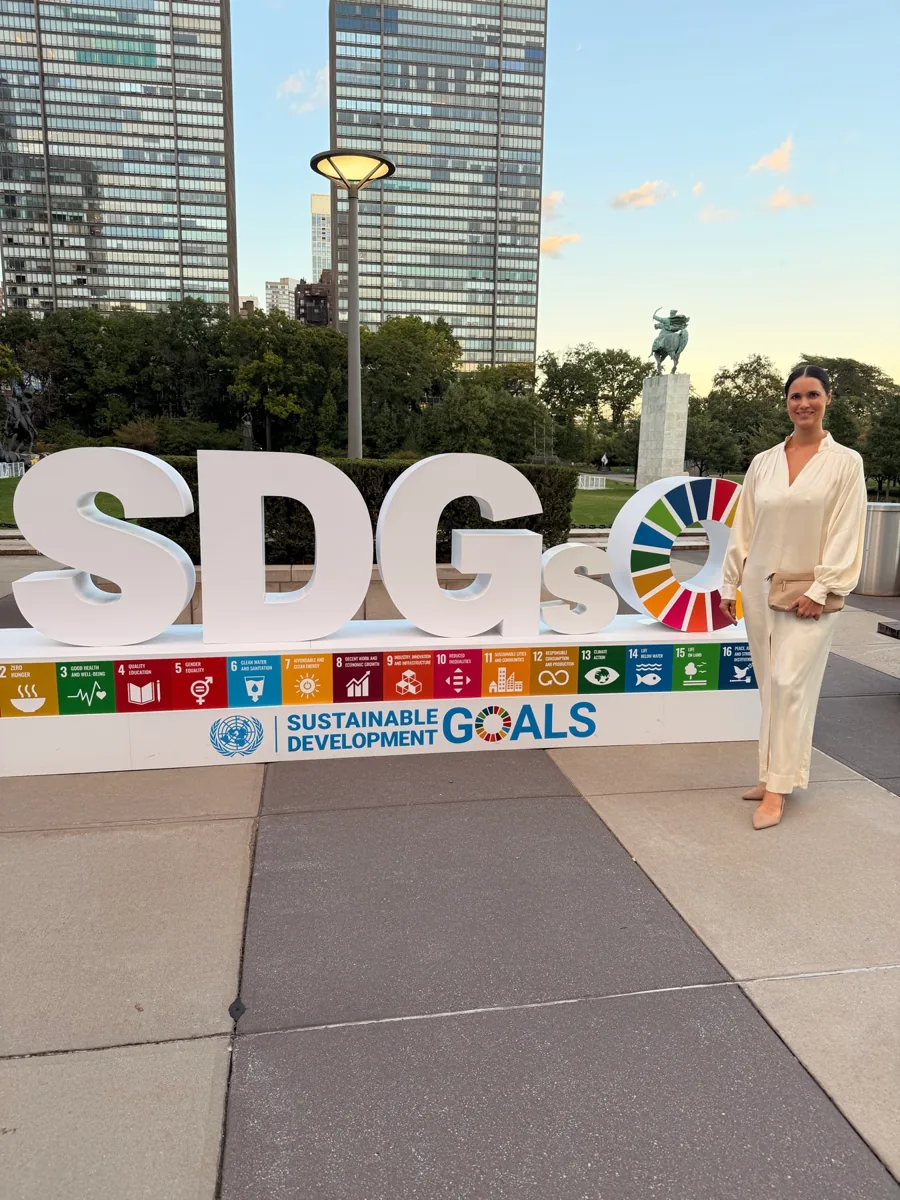
EVENT ATTENDANCE
United Nations Headquarters · New York City
In a world of eight billion people and endless information, what difference can one second make?
Read the Story: The Difference One Second Can Make · October 5, 2026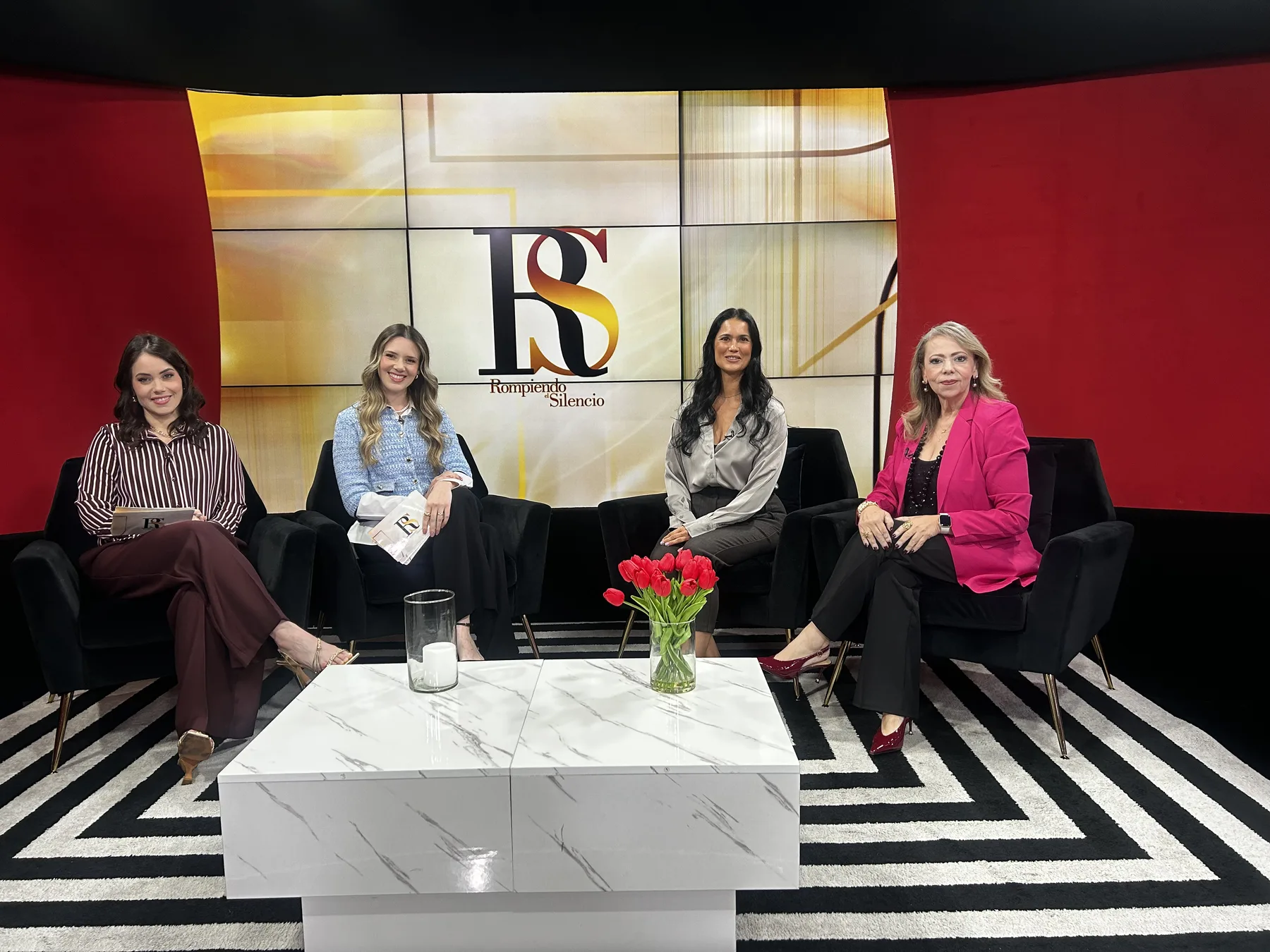
TV APPEARANCE
Rompiendo el Silencio
What happens when something becomes so normal in our lives that we stop seeing it?
Read the Story: Rompiendo el Silencio: The Addictions We Don’t See · September 28, 2026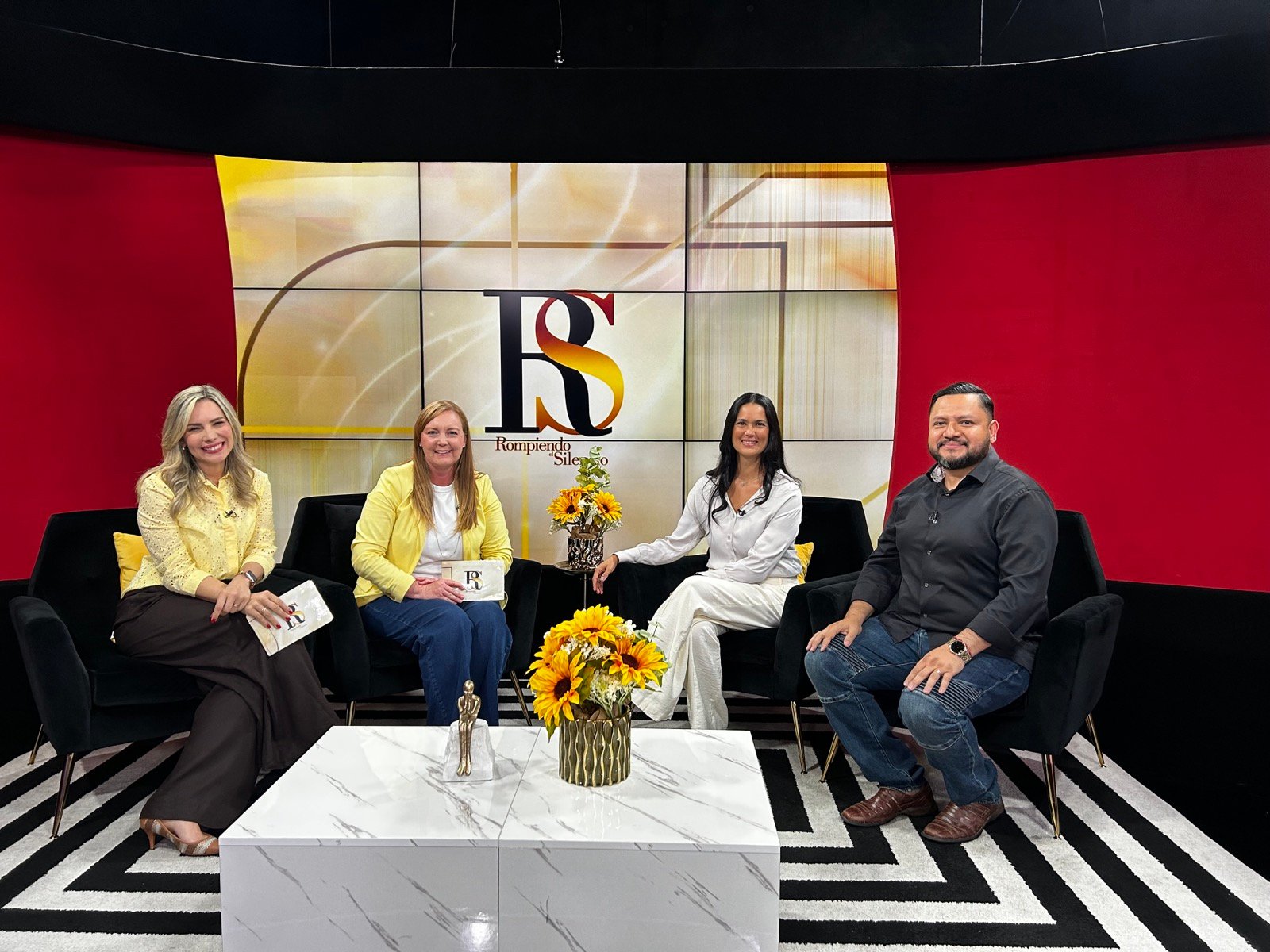
TV APPEARANCE
Rompiendo el Silencio
Loss, unanswered questions, and what it means to be present when the conversation matters most.
Read the Story: Rompiendo el Silencio: World Suicide Prevention Day · September 10, 2026October 28, 2026 | Rompiendo el Silencio
“Why am I not where I thought I would be by now?”
“Have I spent so much time doing what everyone needed that I forgot what I wanted?”
Sometimes the harshest judgments don't come from other people. They come from the conversations we keep having with ourselves.
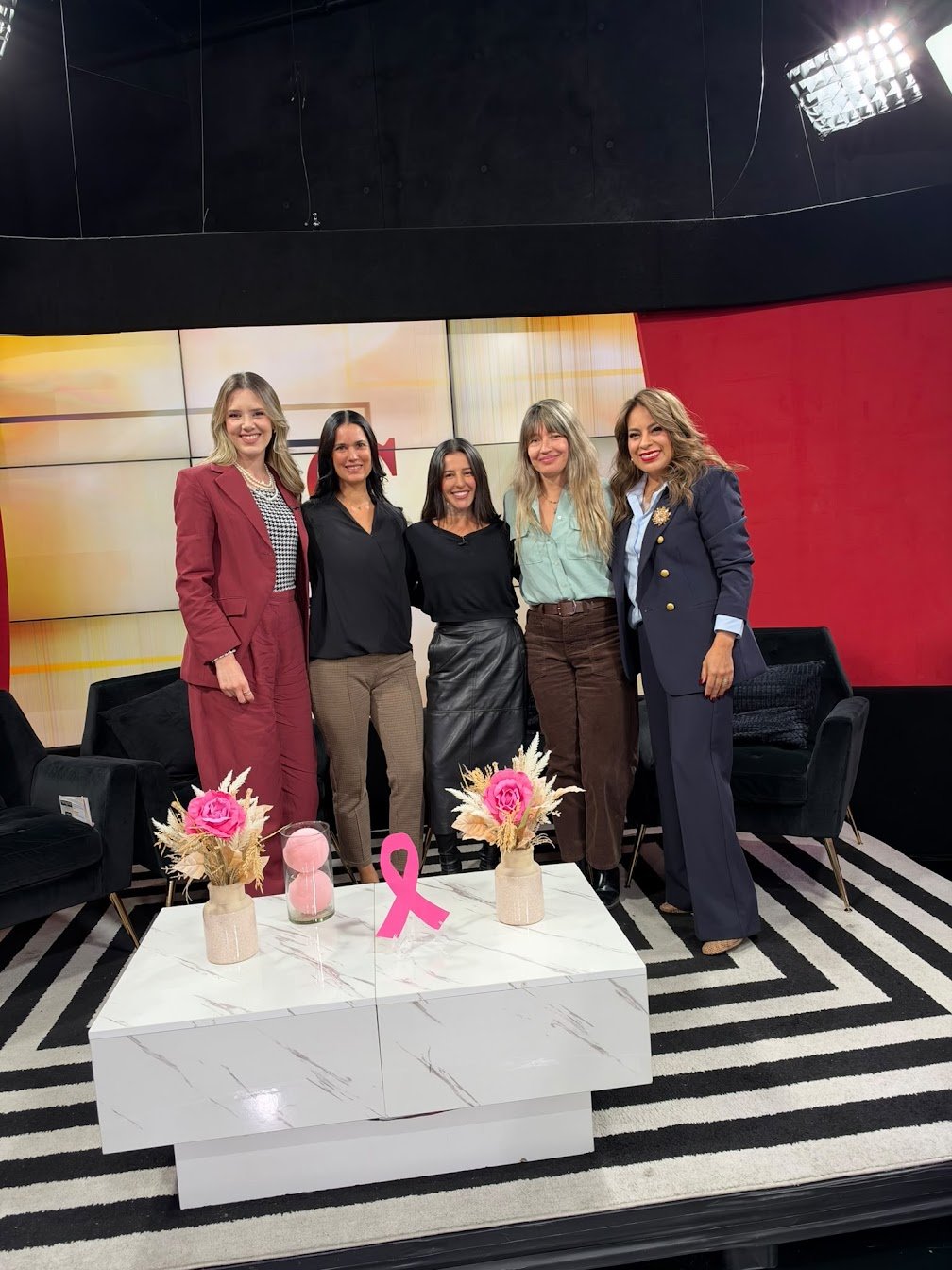
On October 28, I joined Rompiendo el Silencio for a television conversation about second chances and the challenges of rebuilding life after incarceration.
What viewers didn't know is that I've spent almost ten years working with people whose lives have been affected by incarceration, addiction, and trauma. It's a part of my life I rarely speak about publicly, but one that is very close to my heart.
So when I sat down for this conversation, I felt comfortable. I was familiar with stories of people trying to rebuild their lives, sometimes while the world continues to judge them for their past.
Something I've learned over these years is how easily we see what a person has done without knowing much about the person behind it. We see the wrongdoing, but we may know very little about the childhood, experiences, and circumstances that shaped their lives.
But during the conversation, I wanted to explore another perspective.
Not every prison has walls.
Sometimes the judgments that limit us are the ones we place on ourselves.
We compare our lives to what we thought they would be. We question whether we've done enough. We wonder if it's too late to become the person we once imagined.
And without noticing, these thoughts can begin to influence the decisions we make and the possibilities we allow ourselves to consider.
Of course, the experience of incarceration is very different from our everyday struggles. But the conversation opened a question that belongs to all of us:
What if some of the limits we live with are limits we've never thought to question?
After almost ten years of this work, I continue to discover how much can change when we begin to see a person, a situation, or even ourselves from another perspective.
And sometimes, that's where a different possibility begins.
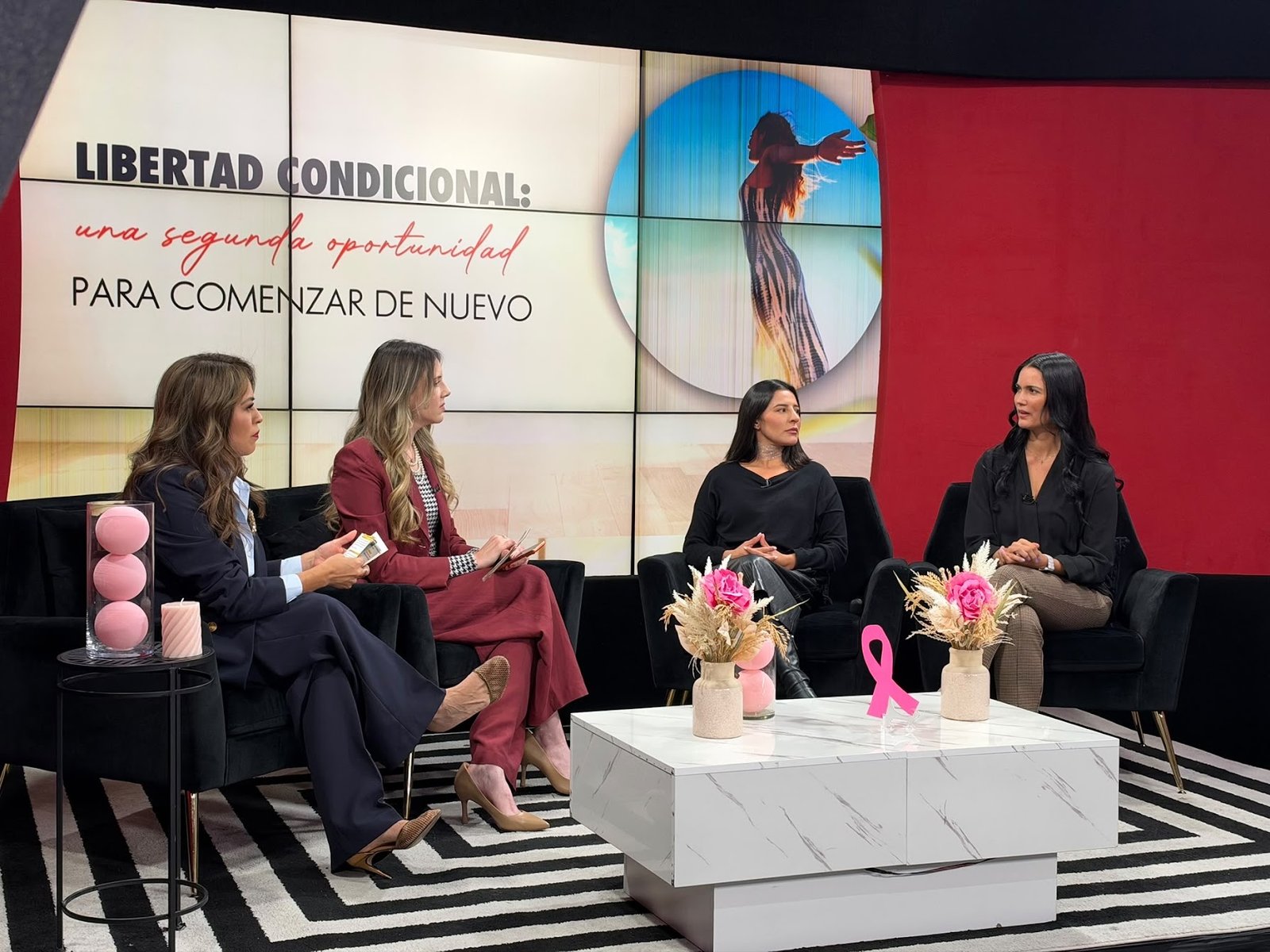
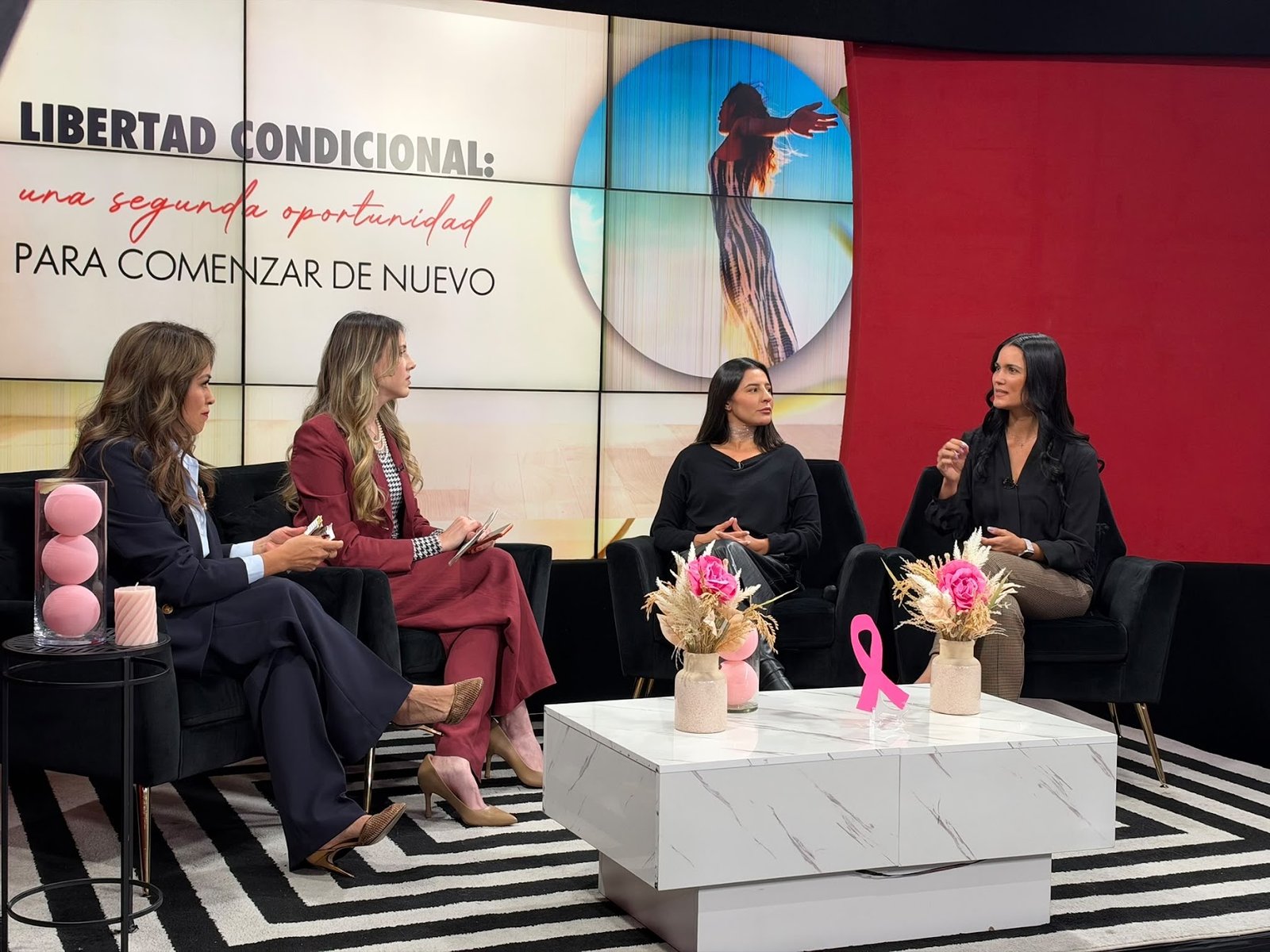
Sometimes a conversation helps us notice something we couldn't see before.
Explore Individual Coaching →CISMAC 2026 | Guadalajara, Mexico | October 24, 2026
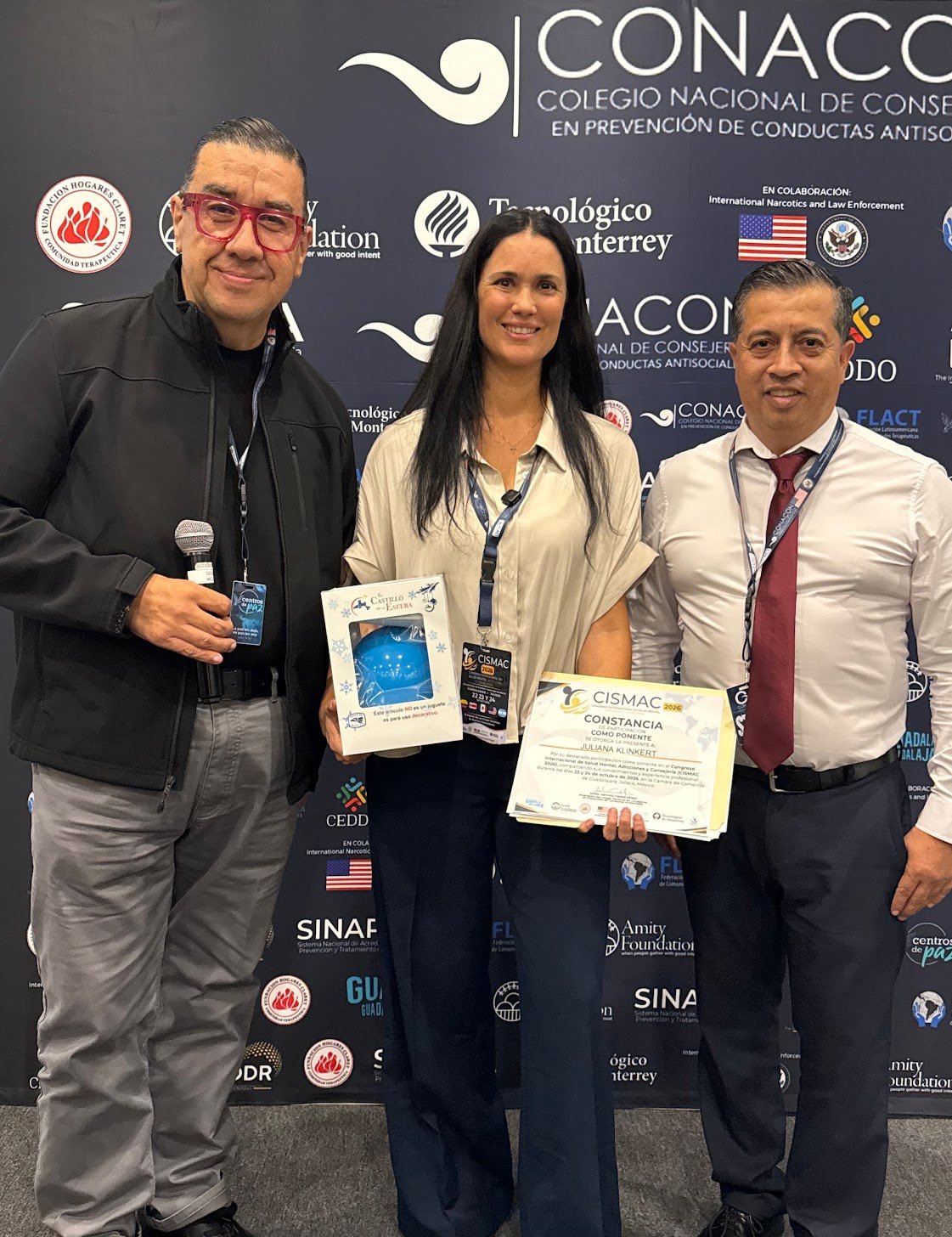
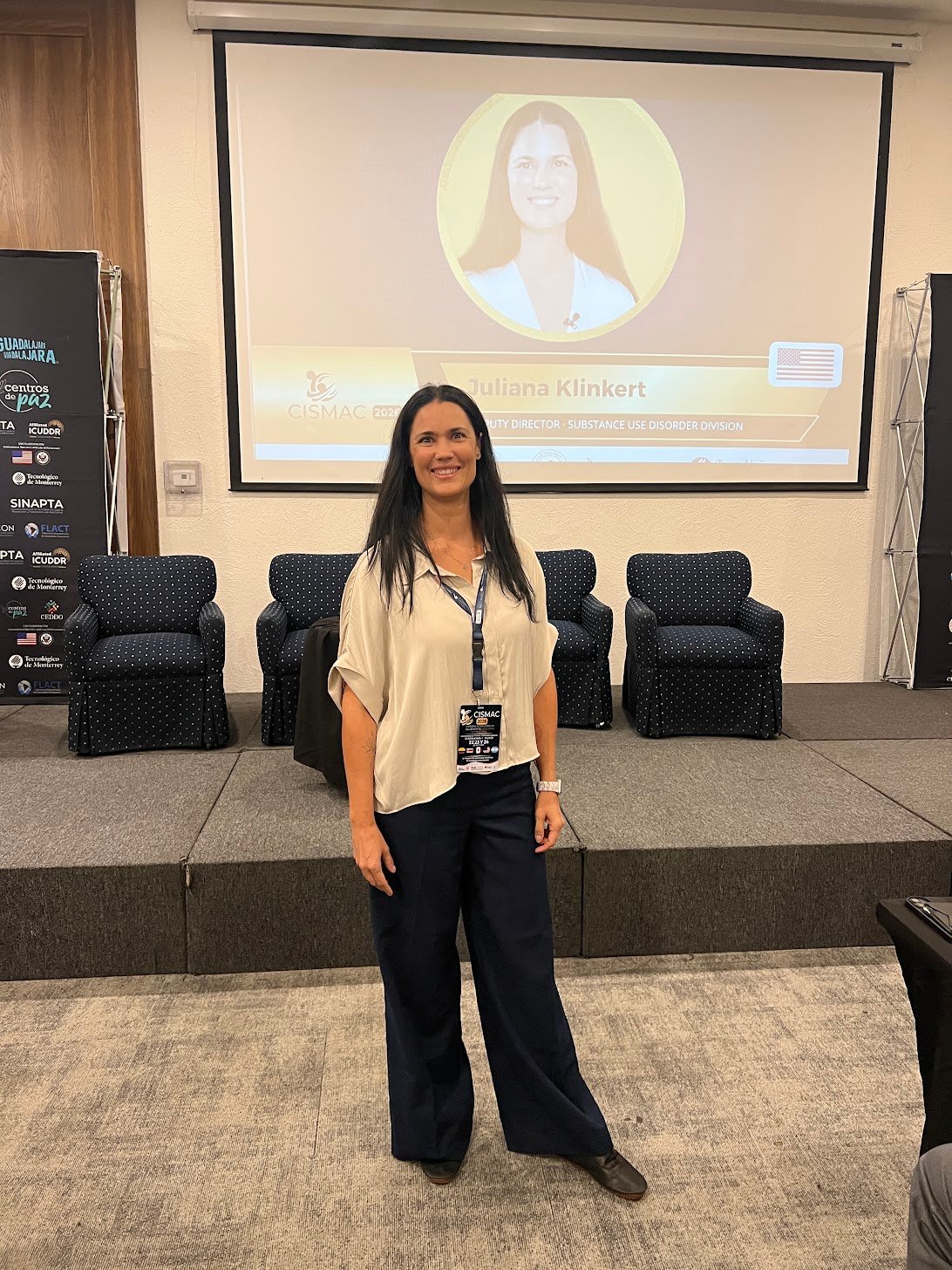
I had prepared my entire speech for an international conference on mental health and addiction in Guadalajara, Mexico.
But the first thing I said wasn't in my script.
Standing in front of a room full of counselors, psychologists, educators, and specialists working with addiction, trauma, and incarceration, I suddenly asked:
" Who could have imagined, on the day we were born, that today, October 24, 2026 we would all be together in this room?"
The room went quiet.
Not an uncomfortable silence. More like a collective sigh, as if everyone had paused to think about the different paths that brought us together.
And that was how my presentation began.
It was my first professional keynote in Spanish, my native language, in nearly ten years. Although speaking Spanish felt familiar, I still had those first moments of nervousness that come with standing on a stage.
I knew what I wanted to share. What I didn't know was whether my message would reach the people sitting in front of me.
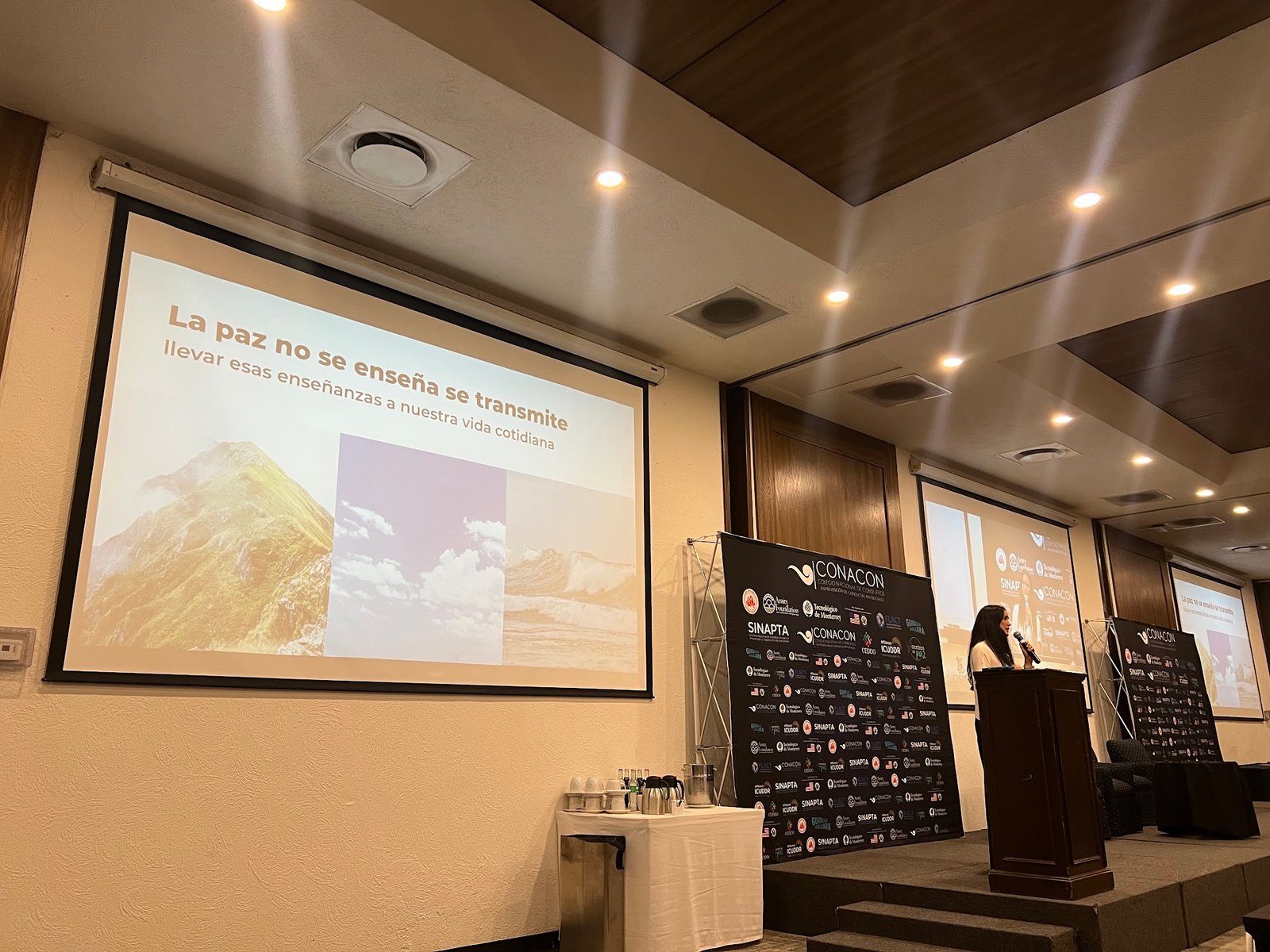
I've worked as a life and executive coach since 2009, and my work has taken me into very different environments.
I've coached business leaders and worked with people facing addiction, incarceration, and the challenges of rebuilding their lives. Through my work with CALM MIND, I've also had the opportunity to work with people in rehabilitation and community programs.
And one thing I've learned is that we can know a great deal about someone's circumstances and still miss something important about the person in front of us.
During my keynote, I shared a story from a CALM MIND meditation class with a group of women rebuilding their lives after incarceration.
Some of the women began laughing, and I had to stop the practice.
I opened my eyes and looked at them.
Instead of asking them to be quiet, I acknowledged that perhaps some of them didn't want to be there. I thanked them for coming anyway.
Then I invited them to think of someone who might have wished to be sitting in that room but, for whatever reason, couldn't.
Suddenly, the room became quiet.
Later, as the women shared what their day had been like, one told me she'd been looking forward to having a little time for her mind.
I had arrived with a plan for the class. But if I had focused only on getting through it, I might have missed what those women were actually experiencing.
And I wonder how often that happens in our own lives. We become so focused on what we think the problem is that we stop noticing what else might be happening.
Back in Guadalajara, I was speaking to people who spend their days helping others through addiction, trauma, and difficult circumstances.
I wanted to invite them to consider something about their own lives, too.
Who takes care of the minds of those who spend their days caring for others?
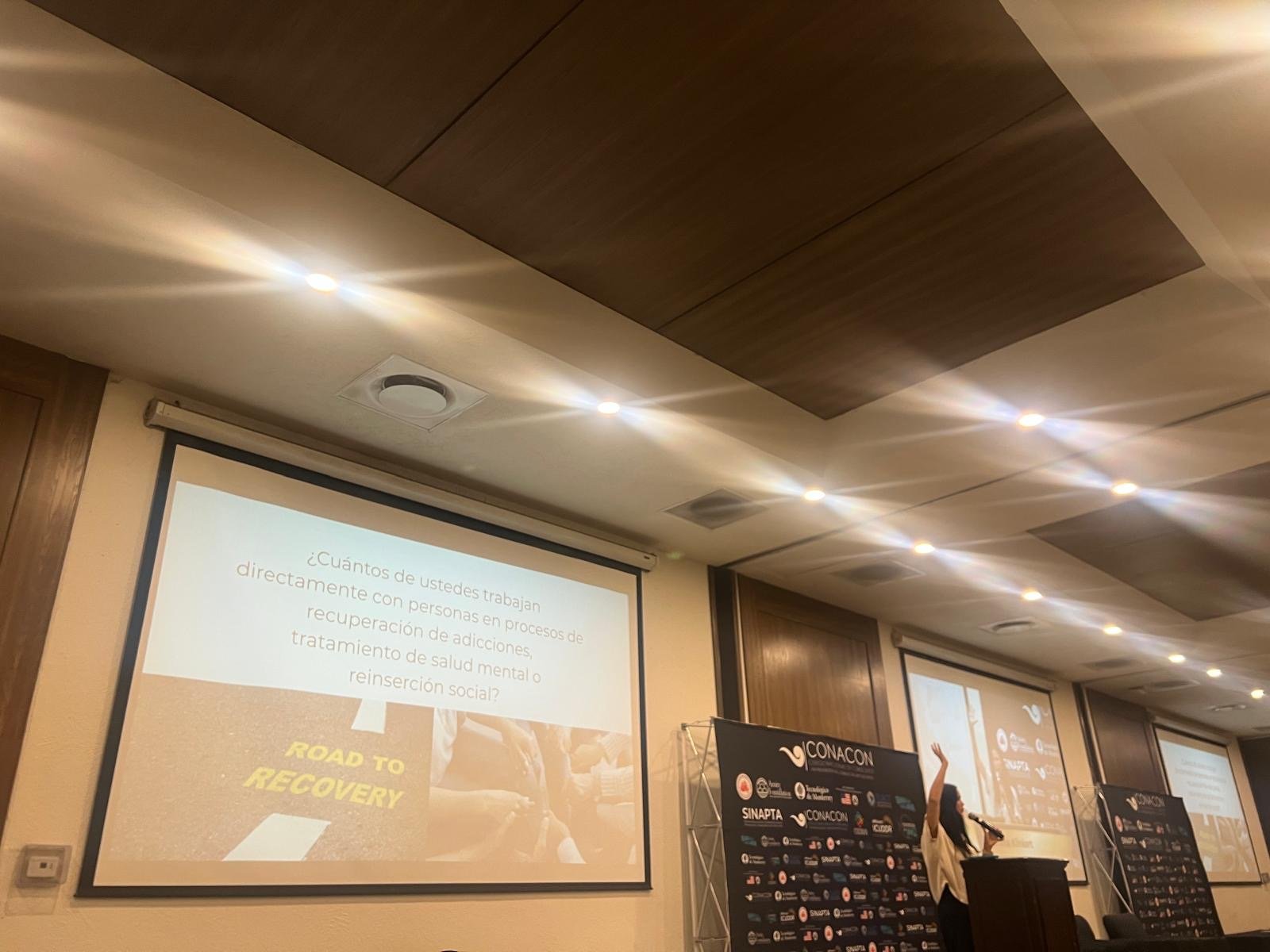
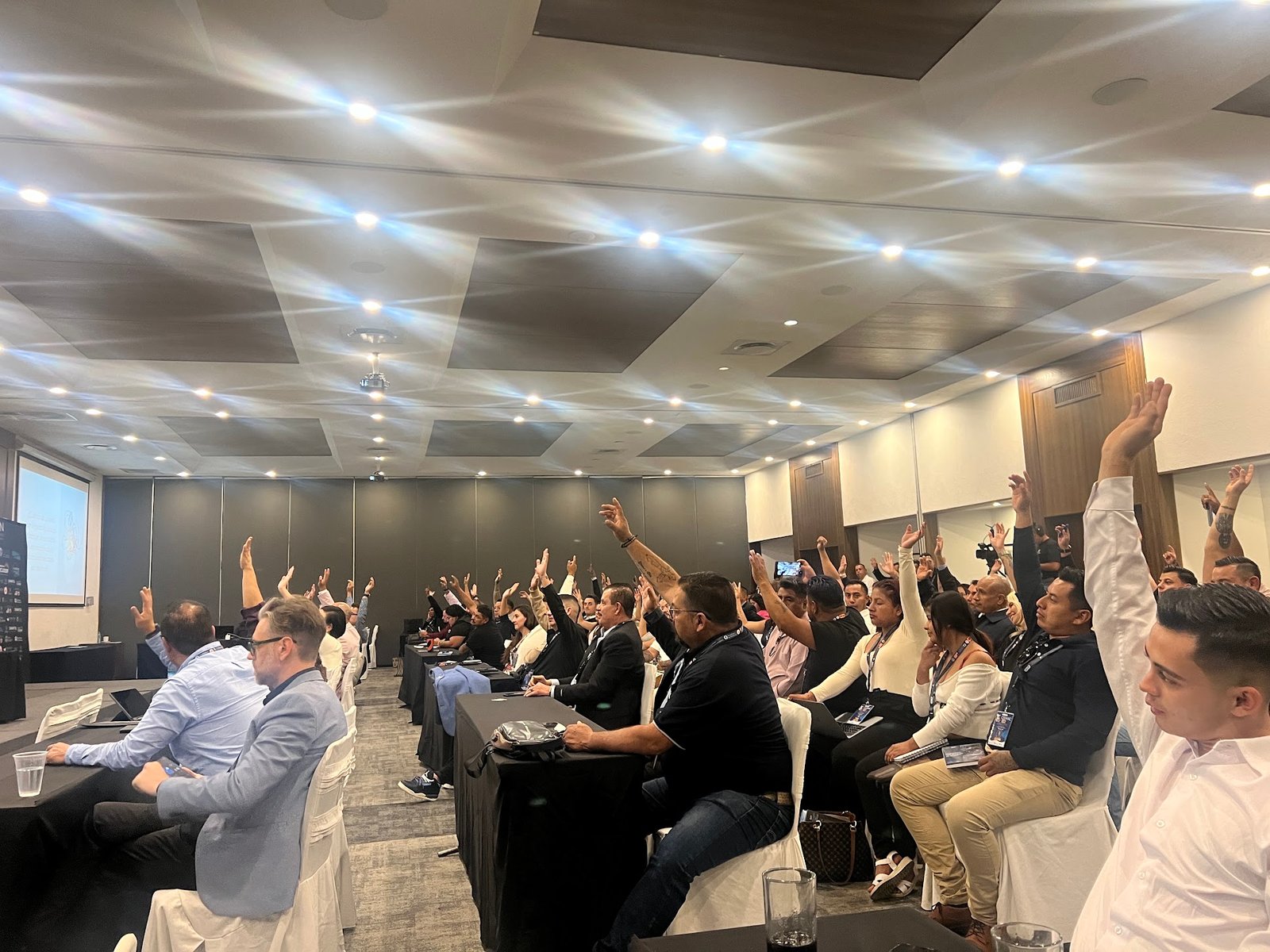
Toward the end of my presentation, I invited everyone to experience a CALM MIND meditation practice called The Horizon.
We imagined the waves of the ocean and the vast horizon beyond them.
The waves don't simply disappear. Neither do the difficulties we face in life.
But there is always more to the ocean than its waves.
And there is always more to a person than the difficulties they're facing.
As the practice ended, I watched people slowly open their eyes. They appeared relaxed, and the room was quiet.
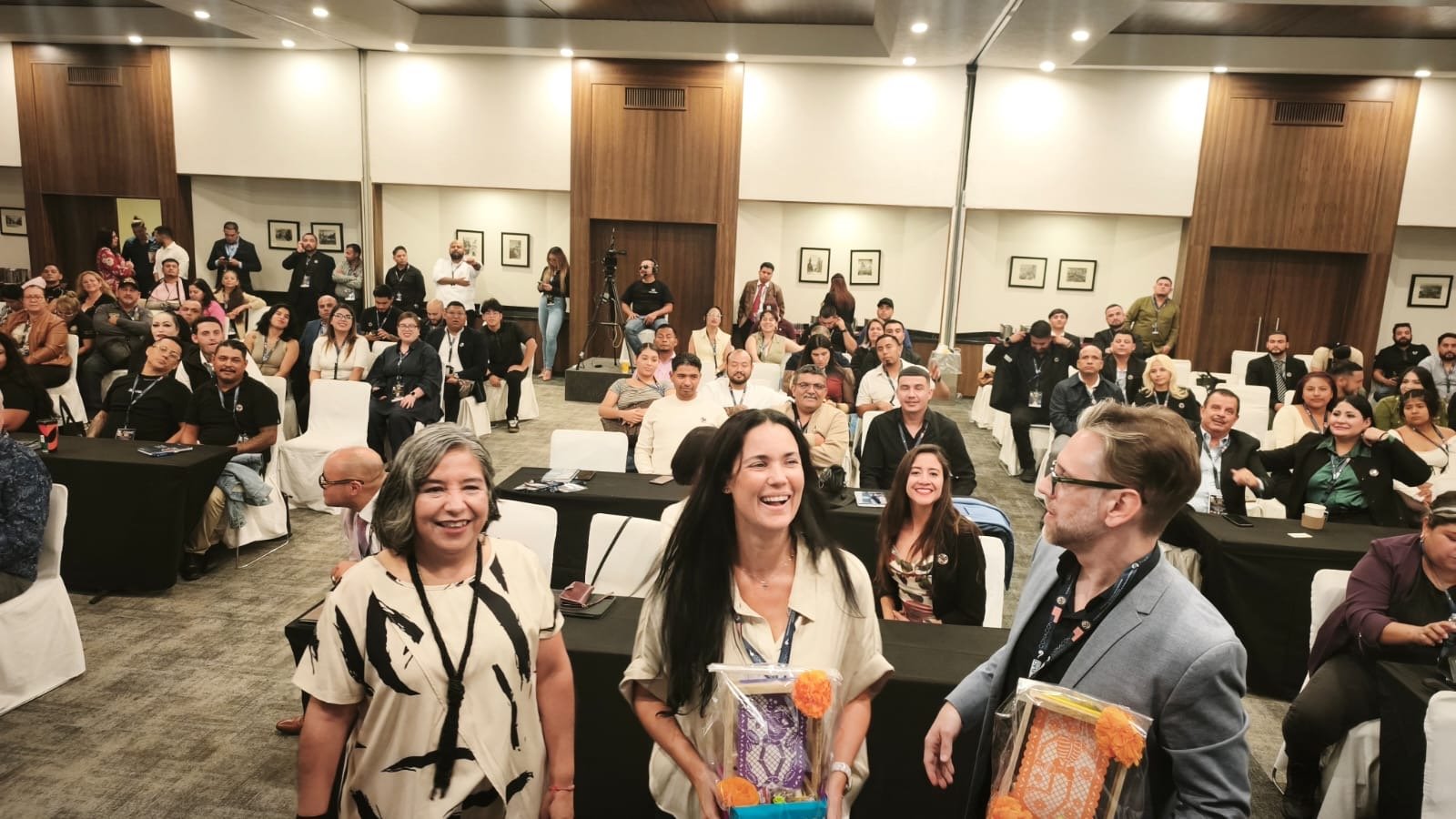
I returned to my seat beside friends from the Amity Foundation, Los Angeles. My heart, however, was still pounding.
They thanked me for the practice. One of them told me how much they had needed it.
I appreciated their words, but I still needed a few minutes to settle down and listen to the next speaker.
When that presentation ended, something happened that surprised me.
People began approaching me. Some wanted photographs. Others wanted to thank me.
But I was curious about something else.
So I began asking:
" What stayed with you from my presentation?"
They spoke about how important it was to calm their own minds to better care for others. They recognized that their professional knowledge mattered, but so did what was happening within themselves.
That was what I had hoped they would take away.
And hearing it from them meant a great deal to me.
I think about how easily we can become focused on the difficulties in front of us, whether they're happening in our work, our families, or our own lives.
Sometimes we become so familiar with a problem that we stop noticing anything beyond it.
I'm deeply grateful to Arturo Conde Pérez, CONACON, and everyone who organized CISMAC 2026 for inviting me to be part of this gathering.
I arrived in Guadalajara with a prepared speech. I left thinking about the people I met, the conversations we had, and how easily we can see someone through the difficulties they're facing.
And I wonder how often we do the same thing to ourselves.
We become so focused on a problem that we forget there's more to our lives than what's happening right now.
What might you discover about your own life if you could see beyond the difficulty in front of you?
October 5, 2026 · New York City
In a world of eight billion people and endless information, what difference can one second make?

On October 5, I walked into the United Nations Headquarters in New York City for the first time.
Surrounded by people from different countries and cultures, it felt like entering the world.
And a dream I've carried for years suddenly felt closer.
Through conversations with people working directly in their communities, I began to see new possibilities for expanding the work I've been doing for more than nine years: helping people learn to calm their minds in the middle of everyday life.
One of those conversations happened beneath a banner that read INNOVATION.
That word made me think.
We have so much information available to us. But in the middle of everything happening around us, how often do we give ourselves even one second to think before responding?
One second can change the words we choose, the decisions we make, or something we hadn't been able to see before.
I left the United Nations with my dream feeling closer.
And you don't need to walk into the United Nations to discover what one second can change.


IN CONVERSATION
What if something that looks completely normal is quietly taking over your life?
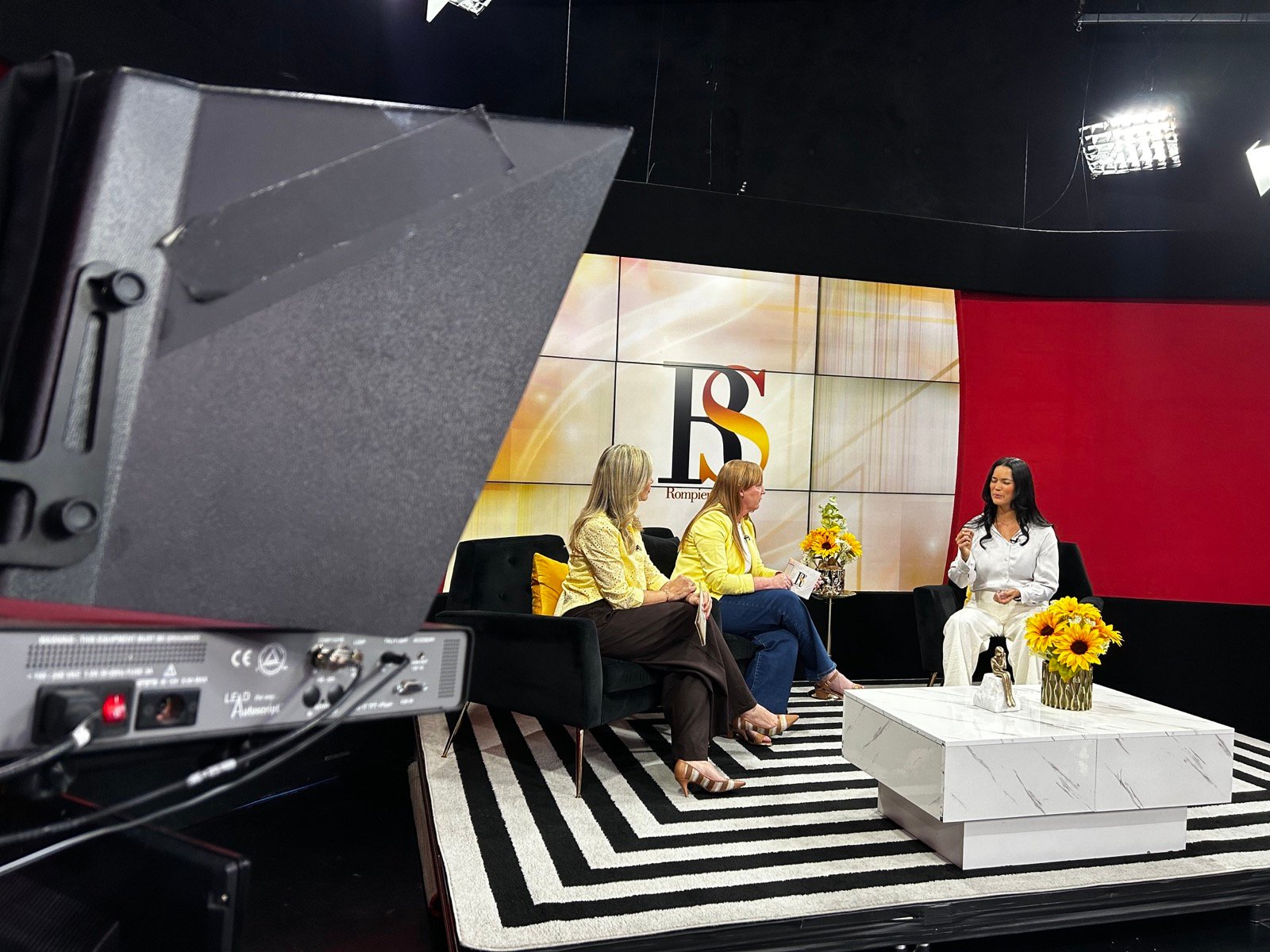
I returned to Rompiendo el Silencio for a live Spanish-language conversation about the patterns we don’t always recognize—in our work, phones, food, and everyday lives.
My question was simple: Do we have to wait for something to go wrong before we notice what we’re no longer living?
I left extra early because I was afraid of being late for live TV. A few hours later, I had forgotten I was on TV at all.
The day started in a self-driving car with no driver, slowly making its way across Los Angeles because it couldn’t take the freeways.
Then I walked into the makeup room.
Both hosts were there, and within minutes, we were talking as if we already knew each other—while the makeup artist kept asking me to stop moving because, apparently, I talk with my entire body.
Our other guest was Ana Laura Sánchez (IG @psic.analaurasanchez) a psychotherapist from Guadalajara. Another coincidence: just a few days later, I would be there too.
By the time we walked onto the set, it didn’t feel like a set anymore.
Before going live, one of the hosts gave us one direction: “Let’s not talk over each other.”
We all immediately said, “We’ll follow you.”
And from there, the conversation just flowed. It felt less like a TV panel and more like the conversation we had already started in the makeup room.
At the end of the program, I said something I hadn't planned:
“Even through a screen, you can feel that there is community.”
Only later did I realize:
I wasn't only talking about the audience.
I had just experienced it myself.


IN CONVERSATION
My first live TV appearance: a Spanish-language conversation on World Suicide Prevention Day about We Are Never Alone, loss, unanswered questions, and what it means to be present when the conversation matters most.
BEHIND THE SCENES
On September 10, I joined Rompiendo el Silencio for a live Spanish-language conversation around suicide prevention and the film We Are Never Alone.
It was my first live television experience. I arrived prepared, with pages of notes and ideas I wanted to communicate clearly.
Then the cameras turned on—and I discovered what “live” really means.
You prepare, but you don’t know exactly where a real conversation will take you.
We talked about a mother trying to understand why she lost her son, about a film born from a deeply personal experience, and about those moments in life when there may not be an answer to why.
That day reminded me of something I also see in my work: preparation matters, but presence matters too. Sometimes we have to let go of the answer in our head to make space for the conversation happening in front of us.
We Are Never Alone is still on its journey. If you’d like to follow the film and know when and where you can see it, subscribe to my newsletter.
The conversation continues.
See what’s coming upKeep the conversation going
Hear about upcoming classes, events, media, and new projects. Stay connected through my community signup.
Explore my YouTube